Beard itching: 5 causes and natural solutions
An itchy beard can stem from dry skin, improper washing, residue, or ingrown hairs. Start with the simple causes before multiplying products.
Why does my beard itch? Often, the cause is related to maintenance: dry skin, improper washing, accumulating residue, friction from regrowing hairs, or sometimes a reaction to a product. Itching alone is not enough to make a diagnosis.
The right reflex is to observe when it appears, what you put on your beard, and how your skin reacts.
Here are five common maintenance paths. If the irritation is significant, persistent, forms patches, or is accompanied by hair loss, a dermatologist can investigate a cause that goes beyond a simple cosmetic routine.
Dry skin under the beard
Dry skin can feel tight, peel, and itch. If your beard is also coarse, start by reducing aggressive habits and add a light emollient treatment.
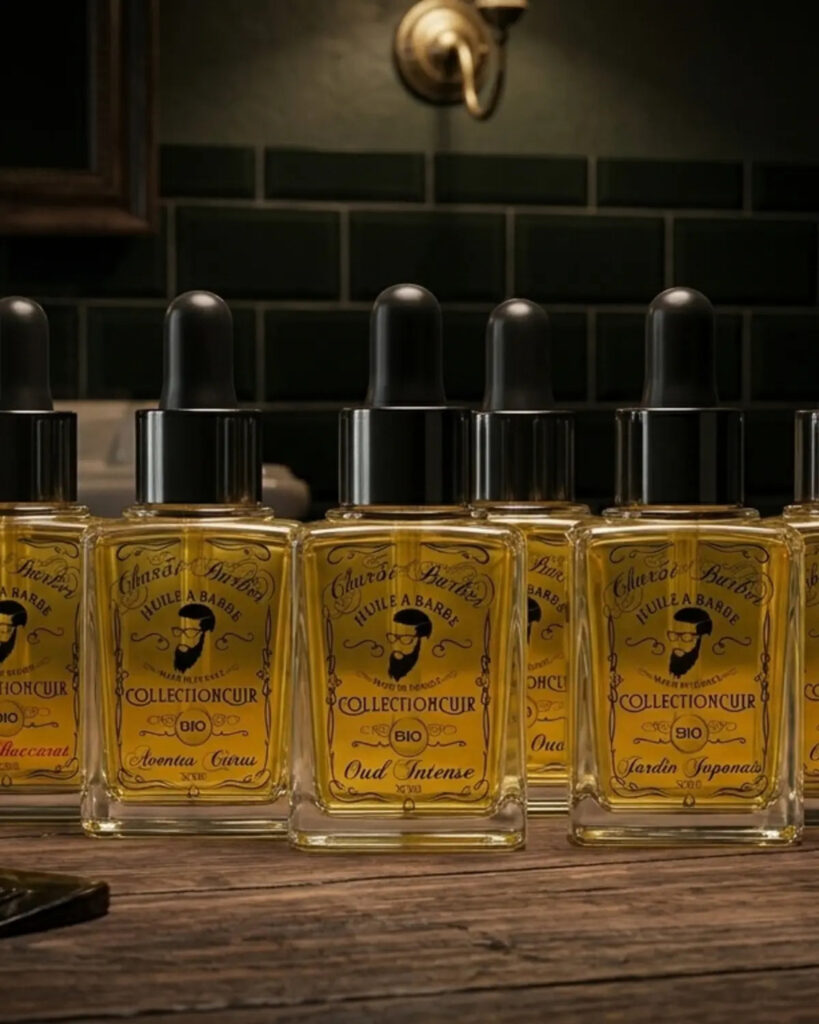
Simple routine: a few drops of ZAYT beard oil on a slightly damp beard, spread down to the skin. Its role is to nourish and soften the beard, not to treat a skin disease.
Too frequent washing or an ill-tolerated formula
If the itching occurs mostly right after a shower, first look at your shampoo and your washing frequency. A formula that leaves the skin very dry or washing too frequently can be uncomfortable.
GHUSL beard shampoo is intended for use two to three times a week. Between washes, adapt according to your activity and skin type.
To understand why a beard shampoo and hair shampoo is not interchangeable with a hair shampoo, see our guide on the difference between beard shampoo and hair shampoo.
Residue under the beard
Oil, balm, sweat, and dust can accumulate if the beard is never rinsed properly. Conversely, trying to strip everything away every day is not necessarily better.
The right balance: regular but reasonable washing, a thorough rinse, and gentle drying. The towel should pat, not aggressively rub the skin.
If the problem mainly comes from an accumulation of sebum, odors, or residue, a shampoo designed for the beard allows you to start on a clean base. This is not a treatment for itching: the goal is appropriate cleaning, not daily stripping.
Ingrown hairs or shaving-related irritation
Around the beard contours, hairs can sometimes grow back into the skin and cause small bumps or an itching sensation. Avoid scratching or aggressively manipulating the area.
A brush can help keep hairs oriented and the beard neat, but it does not replace medical advice if an area becomes very inflamed or painful.
Too many products at once
When you layer shampoo, oil, serum, balm, and perfume without knowing which one causes discomfort, it becomes difficult to identify the problem.
If your skin reacts, simplify for a few days: keep a gentle wash, then reintroduce treatments one by one. This approach helps primarily to identify what your skin tolerates or not.
To start fresh on a clear base
GHUSL
Wash then rinse the beard thoroughly.
ZAYT
A few drops to nourish and soften a dry or coarse beard.
QUWWA
Apply the serum to the skin under the beard as part of a targeted routine. Do not use it as a treatment for an irritated or infected area.
To go further
How long does it take for the itching to stop?
Can you use ZAYT and QUWWA on the same day?
When to consult?

Fewer random products. More logic.
Clean reasonably, nourish if the beard is dry, then add only the treatment you actually need.